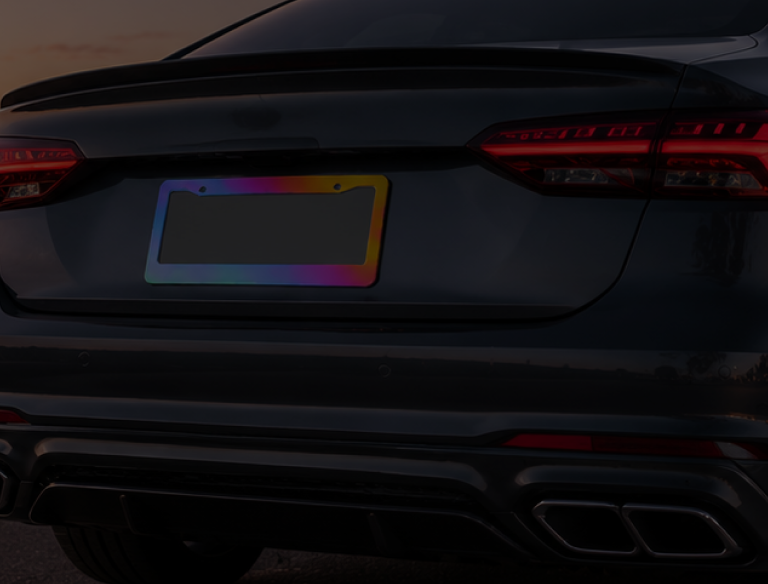
In the exterior automotive hardware sector, an electroplated finish represents one of the most reliable and historically significant surface treatments. Electroplating is an electrochemical process that uses an electric current to deposit a thin, uniform, and coherent metal layer onto a raw metal substrate.
When applied to license plate frames, electroplating is primarily used to achieve iconic metallic visuals—such as high-reflectivity mirror chrome or deep, lustrous black chrome—while providing a functional layer that seals the underlying core. For corporate buyers, brand distributors, and individual car owners, understanding the fundamental engineering principles of this finish is essential for selecting components that elevate a vehicle's rear-end aesthetics.
Why Zinc Alloy Involves Advanced Electroplating
To fully understand the value of an electroplated automotive accessory, one must examine the specific engineering characteristics of zinc alloy. In the automotive hardware manufacturing sector, zinc alloy (most notably die-cast zinc) is highly favored for its physical versatility.
The Advantage of Die-Casting
Zinc alloy possesses exceptional fluid dynamics and a relatively low melting point during the industrial die-casting process. This allows manufacturers to inject the molten metal into highly complex, precision-engineered steel molds. As a result, zinc alloy is the premier choice for license plate frames that require intricate 3D structural textures, raised embossed lettering, structural corporate logos, or ultra-sleek narrow-border (slimline) profiles. It achieves design freedoms that stamping metals cannot replicate.
The Essential Need for Surface Protection
Despite its molding advantages, raw zinc alloy is a chemically active metal. When directly exposed to environmental factors such as atmospheric oxygen, rain, road grime, or coastal humidity, it naturally undergoes oxidation. Over time, untreated zinc can form an uneven dull film or white oxidation spots on its surface. Therefore, applying a precise electroplated metal layer is an essential engineering requirement for zinc alloy hardware. The plating serves as a reliable outer shield, completely isolating the zinc alloy core from raw contact with the outside elements.
Engineering Breakdown: The Electroplating Production Process
Applying a uniform, premium electroplated finish to a die-cast zinc alloy substrate requires a multi-stage production line executed with exact chemical and electrical control. Each phase of the operation dictates the final surface behavior of the product.
Step 1: Mechanical Polishing and Cleaning
The process begins immediately after the zinc alloy frame is removed from the casting mold. Technicians utilize mechanical polishing wheels or automated buffing systems to smooth out all rough edges, parting lines, and tiny mold irregularities. The frame is buffed until the surface achieves a smooth appearance.
Next, the polished frame undergoes a deep chemical cleaning sequence. It passes through alkaline cleaning baths to dissolve all lingering mold-release agents, industrial oils, and grease. If any microscopic contaminant remains on the zinc surface, the subsequent metal ions will fail to bond correctly.
Step 2: Electroless and Electrolytic Metal Deposition
Because zinc alloy interacts strongly with acidic solutions, the frame must pass through specialized plating baths. The suspended zinc frames are connected to the negative terminal of a direct current (DC) power supply, acting as the cathode. Solid metal plates of the coating material are connected to the positive terminal, acting as the anode.
When placed in the electroplating bath, the electrical current flows through the liquid solution, forcing the metal ions at the anode to dissolve and migrate directly to the surface of the negative zinc frame. The ions receive electrons and transform into a dense, tightly bonded metal layer that perfectly wraps around every 3D contour, inner screw pocket, and embossed edge of the license plate frame.
Step 3: Top Layer Stabilization
The final stage of the plating process involves depositing the decorative and protective outer layer. For a traditional silver look, a hard chromium layer is applied. For modern customization, alternative metallic compounds are introduced to create a dark translucent black chrome or satin finish. Once the desired plating thickness is achieved, the frames are thoroughly rinsed in clean water and transferred to automated drying stations to remove all residual chemical trace elements.

Key Performance Features of Electroplated Zinc Alloy Frames
An electroplated finish provides multiple functional advantages that immediately elevate a zinc alloy frame into a premium hardware category.
- Flawless Mirror Reflectivity: The primary visual benefit of standard chrome electroplating is its incredible light-reflectivity. It yields a clean metal sheen that perfectly complements factory automotive trim, matching the existing chrome badges, exhaust tips, and grilles of luxury and classic vehicles.
- Structural Coating Bond: Because electroplating relies on electrochemical attraction and ionic migration, the deposited metal layer bonds with the substrate at a structural level. This creates a surface that will not easily detach, peel, or blister when subjected to daily highway speeds or high-pressure commercial car wash systems.
- Enhanced Surface Hardness: While zinc alloy is structurally stable, the exterior chromium or specialized metallic plating deposited on the outside surface possesses a high mechanical hardness. This outer shell adds scratch resistance, shielding the frame from minor scuffs caused by screwdrivers during license plate installation or from flying road sand during daily driving.
Visual Styling Guide: Mirror Chrome vs. Black Chrome
When configuring a product catalog for an online brand or custom hardware store, it is helpful to categorize electroplated frames by their primary aesthetic variations to match different automotive subcultures.
Mirror Chrome Finishes
This is the classic, bright silver metallic look. It is highly sought after by owners of classic cars, luxury sedans, and large pickup trucks where traditional chrome accents are already prominent. A mirror chrome frame adds a bright, high-contrast border around the license plate, focusing visual attention on the pristine condition of the vehicle.
Black Chrome Finishes
Often referred to as dark chrome or smoky chrome, this variant offers a deep, reflective charcoal or near-black metallic appearance. It preserves the high-shine reflective characteristics of electroplating but introduces a dark, aggressive tone. Black chrome is highly popular among modern sports car enthusiasts, owners of dark-colored vehicles, or drivers pursuing a modern look where standard bright chrome would appear out of place.
Maintenance Advice for Buyers
To maximize the service life and retain the original luster of an electroplated zinc alloy license plate frame, end-users should follow direct, basic maintenance protocols.
• Routine Washing: The electroplated surface should be wiped down regularly using standard car wash soap and a clean microfiber cloth. This removes accumulated road film and environmental dust before they can settle deeply into the surface.
• Avoid Aggressive Chemicals: Users should never apply harsh abrasive cleaners, heavy-duty industrial degreasers, or acid-based wheel cleaners to electroplated hardware. These chemicals can slowly dull the high-reflectivity outer layer.
By combining the precision design capabilities of Zinc Alloy with the sleek, protective capabilities of an Electroplated Finish, buyers receive a visually stunning, premium-weight automotive accessory designed to look exceptional across all seasons.