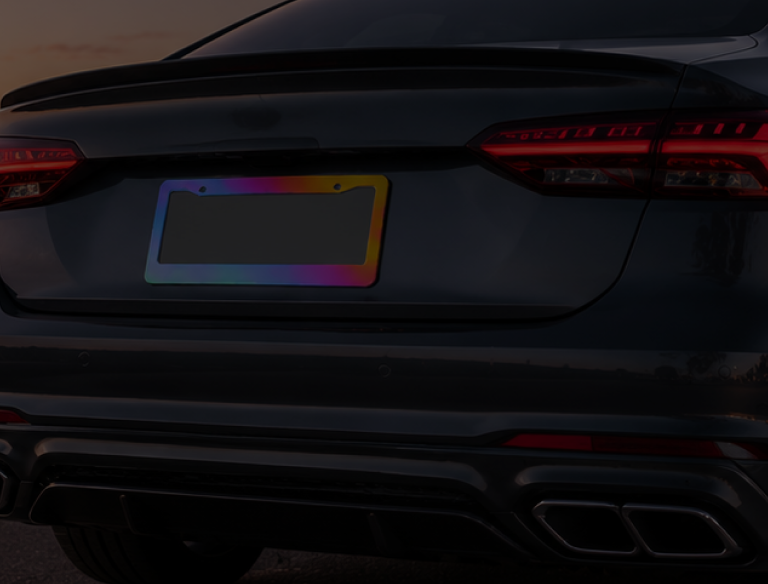
In the realm of high-end automotive exterior customization, true luxury is often communicated not through flashing lights or loud graphics, but through the subtle, sophisticated interplay of texture and light. When premium vehicle owners, executive fleet managers, and custom car brands select their exterior hardware, they look for accessories that complement the vehicle's design language without looking cheap. While standard high-gloss polished or flat painted finishes are common on the road, the brushed metal process—widely recognized in the luxury industry as the hairline or satin finish—transforms a simple license plate frame into a tactile masterpiece.
The essence of the metal brushing process involves creating thousands of microscopic, unidirectional parallel lines across the metal surface. This premium finish breaks away from the monotony of flat, reflection-heavy surfaces, offering an elegant, industrial aesthetic that feels distinctly high-end to the touch. To ensure the highest level of craftsmanship, manufacturing honesty, and product longevity, this mechanical brushing process is reserved exclusively for high-grade Aluminum Alloy. In this chapter of our craftsmanship encyclopedia, we explore the science behind this advanced texture, how we manufacture it without compromising material integrity, and why it stands as the ultimate choice for luxury vehicle trims.
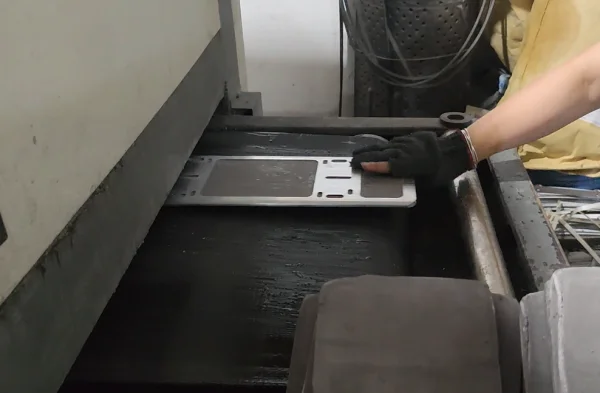
The Mechanical Engineering: Crafting the Perfect Pattern
Achieving a flawless, uniform satin pattern on a license plate frame requires massive industrial precision. If the belt speed, abrasive grit size, or feed pressure varies even slightly, the texture will look uneven and messy. Our manufacturing line follows a highly controlled mechanical process combined with state-of-the-art metallurgical treatments:
- Step 1: Premium Aluminum Alloy SelectionThe quality of the brush pattern depends heavily on the base material. We begin by selecting only top-grade, structurally sound aluminum alloy extrusions or plates. The material must possess an ultra-uniform grain structure. This ensures that when the abrasive tools interact with the metal, the lines remain perfectly parallel and free from structural knots or material impurities.
- Step 2: Calibrated Abrasive Belt BrushingThe raw aluminum frame is locked into a heavy-duty custom fixture on an automated linear brushing machine. Specialized abrasive belts, calibrated with specific grit ratings (ranging from fine to coarse satin depending on design needs), press against the metal surface at a strictly regulated pneumatic pressure and consistent linear velocity. This uniform contact carves micro-grooves into the aluminum surface, creating a continuous, unbroken unidirectional hair-line pattern across the entire face of the frame.
- Step 3: Post-Brushing Ultrasonic CleansingThe friction of carving micro-grooves generates immense heat and leaves behind millions of microscopic aluminum particles and abrasive dust nestled deep within the newly formed satin channels. To prevent this residue from contaminating future finishes, the frames pass through an advanced multi-stage ultrasonic chemical wash. High-frequency sound waves blast away every microscopic trace of metal dust, leaving the open grain of the aluminum completely clean.
- Step 4: Precision Anodic Oxidation & SealingUnlike cheap production methods that apply an unstable clear lacquer or plastic topcoat—which quickly cracks, peels, or yellows under harsh solar exposure—our frames enter an advanced chemical electrochemical bath for Anodizing. Instead of putting a layer of paint on the metal, anodizing grows an ultra-hard, transparent oxide layer from the aluminum itself. This molecular-level barrier seals the open pores of the brushed texture, locking the hairline pattern into place permanently while preserving the cold, authentic metallic feel that car enthusiasts demand.
Why Aluminum Alloy Only? The Science of the Substrate
Global procurement managers and professional car tuners frequently ask why we restrict this premium brushing process strictly to aluminum alloy, rather than applying it to zinc, iron, or stainless steel. The choice is rooted in advanced materials science:
- Optimal Material Ductility: Zinc alloy is excellent for heavy die-casting, but it is brittle and lacks the grain structure required to hold long, clean, unbroken hairline grooves. Iron is prone to rapid rusting the moment its bare structure is scratched open by a brush. While stainless steel can be brushed, its extreme surface hardness makes it incredibly difficult to achieve a deeply textured, soft-satin look on complex license plate frame shapes. Aluminum alloy offers the perfect balance of ductility and tensile strength, allowing our tools to carve deep, beautiful, and highly defined satin paths without tearing the metal.
- Superior Satin Light Refraction: Aluminum possesses a unique natural reflectivity. When its surface is machined into unidirectional micro-grooves, it reflects harsh, direct sunlight into a soft, luxurious metallic sheen rather than a blinding glare. This creates a high-contrast look that highlights the elegant lines of the frame from any viewing angle.
- Weight-to-Texture Perfection: Aluminum delivers the heavy, solid appearance of an industrial luxury accessory without adding unnecessary weight to a vehicle's trunk or front bumper assembly. It allows for thick, robust frame designs that remain lightweight and completely rattle-free.
Road-Ready Protection: Functional Benefits of the Texture
While the primary appeal of a brushed aluminum license plate frame is its undeniable beauty, this premium texture provides massive functional advantages for vehicles operating on real-world roads:
• Scratch & Swirl Camouflage: High-gloss polished or painted black frames are notorious for showing micro-scratches, swirl marks, and stone chips within weeks of driving. The directional micro-grooves of our brushed texture naturally camouflage these everyday highway impacts, keeping the frame looking flawless and brand new over high mileages.
• Anti-Fingerprint & Smudge Resistance: License plate frames are handled constantly during vehicle installation, registration renewals, and manual detailing. Glossy surfaces immediately trap greasy fingerprints and unsightly water spots. The textured matte face of brushed aluminum minimizes surface contact, actively resisting oils and drying smudges to maintain its clean look.
• Corrosion-Free Longevity via Anodic Fusion: Because our brushed lines are structurally protected by a hard anodic oxide shield, the raw aluminum never comes into contact with the atmosphere. It is completely immune to the corrosive road salts used during winter blizzards, high-pressure car wash chemicals, and acidic rain, ensuring zero rust or oxidation for the lifetime of the vehicle.
Customization Options for Luxury Branding
Choosing a brushed aluminum frame gives automotive brands and premium dealerships massive creative freedom to craft a truly distinctive brand identity:
- Anodized Luxury Color Palettes: Because the anodizing process allows for deep molecular dyeing before final sealing, we can offer our brushed aluminum frames in a gorgeous array of luxury shades. Options include Satin Black, Deep Titanium Gray, Champagne Gold, and Classic Raw Silver—all while keeping the underlying mechanical hairline texture completely visible.
- High-Contrast Branding Layouts: The uniform, non-glare satin background serves as the ultimate canvas for logos. We can pair this textured background with premium laser engraving (which cuts through the anodized layer to reveal the brilliant silver aluminum underneath), precision paint filling, or sharp spot-color screen printing to make your corporate brand logo stand out beautifully.
Maintenance Tips
A professionally brushed, anodized aluminum license plate frame represents the absolute peak of automotive exterior trim craftsmanship. By prioritizing a manufacturing technique that treats texture as a core architectural feature—and pairing it with molecular-level anodized protection—you ensure your brand presentation or vehicle styling remains sophisticated, rugged, and completely immune to the passing of time.
To keep the directional satin grain of your brushed aluminum frame looking pristine for decades, follow these quick, expert steps:
- Wipe Along the Grain: When cleaning or drying the frame, always wipe your microfiber cloth horizontally, following the natural direction of the parallel hairline texture.
- Avoid Excessive Abrasives: While the anodized surface is extremely hard, do not use coarse steel wool or abrasive industrial scrubbing pads, as they can cut across the factory grain lines and disrupt the uniform reflection.
- Use Standard Car Wash Shampoo: Wash away road grime using standard pH-balanced automotive soaps. Avoid applying raw industrial paint thinners or highly concentrated wheel acids directly onto the frame to protect the integrity of the anodic shield.