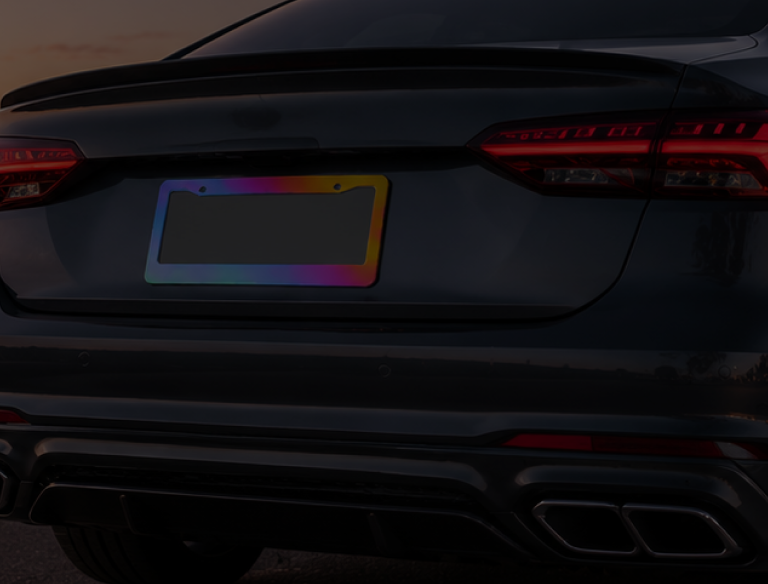
In the automotive accessories market, striking a balance between high-end visual impact and production efficiency is the key to successful branding. When car dealerships, corporate fleets, and individual car enthusiasts design custom license plate frames, they need their logos and texts to be instantly recognizable, even from a distance on a moving vehicle. While there are various ways to apply graphics to metal or polymer surfaces, traditional screen printing (also known as silkscreening) remains the gold standard for achieving unrivaled color saturation and crisp, razor-sharp edge definition.
The essence of screen printing lies in its ability to deposit a thick, uniform layer of premium automotive ink onto the surface of the frame through a tensioned woven mesh stenciled with your design. Unlike digital printing which can sometimes look faded or grainy under close inspection, screen printing delivers solid, rich, and high-contrast visuals. In this edition of our craftsmanship encyclopedia, we will dive into how this classic, time-tested technique combines with modern multi-material manufacturing to provide the ultimate styling solution for your fleet or retail line.
The Step-by-Step Craft: How We Ensure Perfection
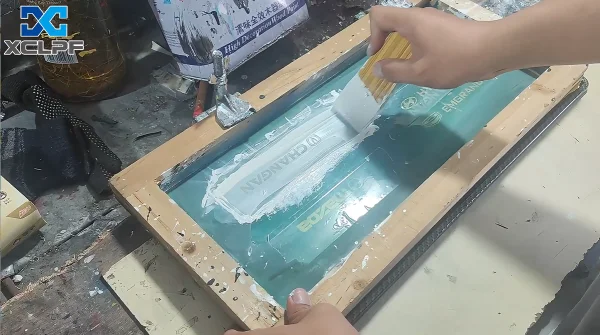
Creating a flawless screen-printed license plate frame requires more than just pressing ink through a screen. It demands rigorous pre-press engineering and precise mechanical synchronization. Our manufacturing process blends industrial machinery with expert artisan calibration:
- Step 1: Digital Pre-Press & Mesh TensioningEvery design begins in our digital engineering lab, where we translate your artwork into high-resolution film positives. We then expose these designs onto high-mesh-count screens coated with light-sensitive emulsions. Our technicians ensure the mesh is tensioned to exact industrial specifications. This prevents any flexing during printing and locks in microscopic details, ensuring small text and thin borders remain perfectly legible.
- Step 2: Advanced Surface Pre-TreatmentInk cannot stick to contaminated surfaces. No matter what material your license plate frame is made of, it undergoes a multi-stage deep cleaning process to remove microscopic oils, dust, or static charges. For specific premium substrates, we apply a specialized chemical primer or plasma surface treatment. This alters the surface energy of the frame, forcing the ink to form a permanent chemical bond rather than just sitting loosely on top.
- Step 3: Precision Squeegee Pass (Machine Consistency & Artisan Calibration)During production, the frame is locked into a heavy-duty custom fixture. A precision-engineered squeegee blade sweeps across the screen at a strictly controlled angle, pressure, and speed. For high-volume orders, automated printing presses guarantee that the first frame and the ten-thousandth frame look identical. For complex geometry or boutique orders, our master printers calibrate the press by hand, adjusting squeegee pressure dynamically to ensure perfectly even ink deposition without any pooling or running.
- Step 4: Specialized Multi-Layer Thermal CuringOnce printed, the wet ink must be instantly stabilized. The frames pass through high-temperature conveyor ovens or targeted ultraviolet (UV) curing tunnels. This intense, controlled thermal energy initiates a rapid polymerization process. The liquid ink transforms into a hardened, cross-linked polymer shield that is structurally locked onto the underlying frame material.
Multi-Substrate Mastery: Infinite Possibilities
A major advantage of our advanced screen-printing facility is its universal material compatibility. Through decades of manufacturing experience, we have developed dedicated ink formulations tailored to bond flawlessly across our entire spectrum of premium materials:
Flawless Adhesion on Metals
- Zinc Alloy & Aluminum Alloy: These popular casting metals offer a smooth surface that acts as the perfect canvas for screen printing. The ink flows smoothly across the metal substrate, creating a sleek, integrated look that resists chipping or flaking.
- Stainless Steel & Iron: Whether the metal surface is highly polished, brushed, or matte powder-coated, our specialized metal-bonding inks grip tightly to the iron or steel matrix, ensuring long-lasting graphic integrity.
Flexible & Rigid Polymer Adaptability
- ABS, PC, PP, & PS Plastics: These lightweight engineering plastics are industry standards for durable automotive trims. Our specialized plastic-affinity inks chemically bite into the polymer surface, creating a permanent bond that will not peel off under stress.
- Silicone: Flexible, rattle-free silicone frames are highly popular among modern drivers. Printing on flexible silicone is notoriously difficult because standard inks will crack when the frame bends. We overcome this by utilizing proprietary elastomeric inks that stretch and flex seamlessly with the silicone frame, ensuring the logo remains completely intact without ever cracking or splitting.
Ink Superiority: Built to Withstand the Road
License plate frames sit at the absolute frontline of environmental punishment. They face a constant barrage of rocks, debris, chemicals, and extreme weather. To counter this, our screen-printing process utilizes heavy-duty, automotive-grade inks engineered for maximum survival:
• High-Saturate UV-Resistant Inks: Prolonged sun exposure destroys cheap inks, causing them to yellow, chalk, or bleach out. Our ink formulas are packed with high-density pigments and premium UV-inhibitors. They maintain their deep contrast and vibrant saturation even after years of baking under intense summer sunlight.
• Weatherproof & Car Wash Safe: Road salts used in winter blizzards, acidic rain, automated car wash rotating brushes, and harsh alkaline engine degreasers can quickly strip away low-quality graphics. Our thermally cured ink shield is completely inert to these chemicals, ensuring your brand signature remains untouched through every season.
• Scratch & Impact Resistance: Flying road gravel and debris can easily ruin a frame's appearance. The high elasticity of our cured ink absorbs minor impacts, drastically reducing the risk of scratches and maintaining a clean, professional look over high mileages.
Design Freedom: Precision Spot-Color Layering
When choosing screen printing for your brand logos, understanding its creative strengths is essential for achieving the best results. To maintain complete transparency and build long-term trust, we highly recommend high-precision spot-color registration (ideally 3–4 solid colors).
• Unmatched Pantone Fidelity: For corporate branding and official automotive logos, color accuracy is non-negotiable. Screen printing uses pre-mixed, solid spot inks (following exact Pantone guidelines) rather than mixing tiny dots like digital printers. This results in incredibly pure, vibrant colors that match your exact brand guidelines perfectly.
• Micro-Registration Alignment: The biggest challenge in multi-color screen printing is preventing colors from overlapping or showing gaps (misalignment). Our state-of-the-art multi-station presses feature micro-registration controls that align each color layer with absolute mathematical precision. The resulting graphics feature perfectly flush, razor-sharp boundaries where colors meet, with zero bleeding or shifting.
• The Ultimate Choice for Branding: Because it excels at rendering bold text, crisp geometric borders, and solid corporate logos at a highly cost-effective rate for large-scale runs, our spot-color screen printing is the number-one choice for commercial car dealerships and global brands looking to maximize their road presence.
Maintenance Tips
Choosing a professionally screen-printed license plate frame guarantees a product that balances vivid visual punch with rugged road performance. By opting for a technique that treats ink as an engineering material—engineered specifically to match zinc, stainless steel, plastic, or flexible silicone—you ensure your brand identity remains bold, crisp, and visible for years to come.
Professional Care Guide
To keep your screen-printed graphics looking in showroom condition for the long haul, follow these simple, expert maintenance tips:
- Use Gentle Wash Mitts: When cleaning your vehicle, wipe down the license plate frame using a soft microfiber cloth, sponge, or automotive wash mitt.
- Avoid Stiff Brushes: Never apply stiff-bristled utility brushes, steel wool, or abrasive kitchen scrubbing pads directly onto the printed areas, as these can dull the glossy finish of the ink over time.
- Rinse with Mild Car Soap: Clean the frame using standard pH-neutral car wash shampoo and clean water. Avoid using ultra-aggressive industrial solvents, paint thinners, or high-acid wheel cleaners directly on the printed logos.