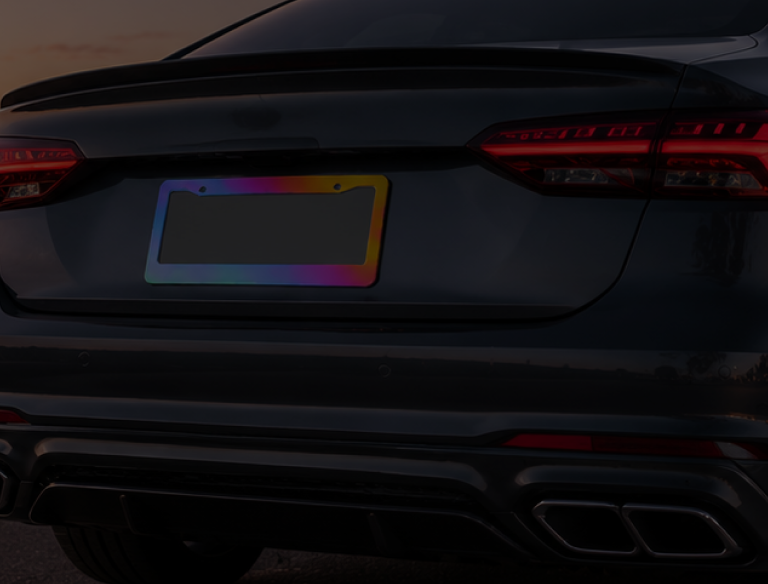
In the premium automotive accessories industry, creating a lasting impression requires moving beyond flat, two-dimensional surfaces. While flat screen printing and sleek UV digital graphics offer excellent branding solutions, the emblem attachment process (also widely recognized as badge bonding) elevates vehicle personalization into the realm of three-dimensional luxury. This advanced manufacturing craft does not merely apply a design onto a frame; it seamlessly fuses a standalone, heavy-duty structural signature directly onto the frame body.
The visual impact of a 3D attached emblem is unparalleled. By raising the branding element above the surrounding surface, it creates a gorgeous floating effect, catching changing light and shadows as the vehicle moves. To meet the diverse styling demands of the global market, this craftsmanship masters a dual-material integration, offering both crystal-clear, flexible Domed Badges (Polyurethane Resin Badges) and heavy-duty, striking Premium Metal Emblems. For car dealerships looking to project corporate prestige, or automotive brands seeking a high-end retail look, emblem attachment delivers a bold, undeniable signature that commands immediate authority on the road.
Engineering a Permanent Bond
A common concern among overseas buyers regarding attached badges is the risk of detachment caused by high-speed highway vibrations or aggressive automated car washes. To guarantee a permanent bond that lasts the lifetime of the vehicle, our factory combines meticulous structural styling with advanced industrial adhesive engineering:
• Step 1: Specialized Recessed Slot Molding
True premium craftsmanship begins in the structural design phase. We do not simply stick emblems onto a completely flat frame surface. Instead, our custom die-casting and injection molds create dedicated, precision-measured recessed slots or nested cavities on the frame body. This engineered border cradles the emblem perfectly, acting as a physical protective shield that blocks lateral road debris and wind resistance from ever getting underneath the edges.
• Step 2: Substrate Chemical De-Greasing & Pre-Treatment
Adhesives require an absolutely pristine environment to achieve their full chemical bonding strength. Before assembly, both the license plate frames and the backings of the emblems pass through an automated deep-cleaning line. This process completely eliminates microscopic manufacturing oils, dust, fingerprints, and static charges, maximizing the chemical surface energy of the bonding zone.
• Step 3: Automotive-Grade Industrial Adhesive Application
We strictly utilize heavy-duty, automotive-grade high-strength structural adhesive backings. This specialized bonding material is specifically engineered for exterior vehicle applications. It features high initial tack and long-term chemical cross-linking properties, forming a rock-solid, permanent seal between the emblem material and the underlying frame matrix.
• Step 4: Calibrated Mechanical Pressure Seating
The final bonding is not done by simple hand-pressing, which can leave uneven air pockets. The emblems are nested into their precision slots and subjected to calibrated, uniform pneumatic mechanical pressure. This uniform force squeezes out any microscopic trapped air, ensuring 100% surface-to-surface adhesive contact and instantly locking the frame and emblem into a single, permanent unit.
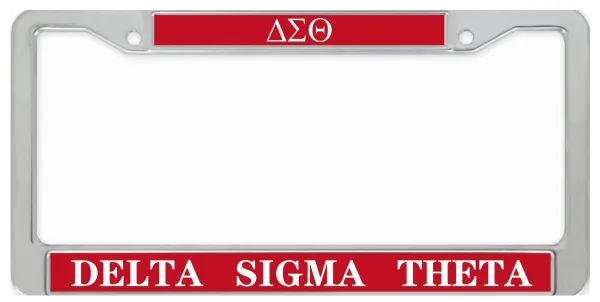
All-Substrate Adaptability: Universal Frame Integration
A hallmark of our manufacturing capability is the universal material compatibility of our emblem bonding line. Because our structural adhesives are specifically formulated to bond dissimilar materials, we can seamlessly attach premium 3D badges across our entire multi-material frame portfolio:
Rock-Solid Fusion on Metals
• Metal Frames (Zinc Alloy, Aluminum, Stainless Steel, Iron):Attaching a 3D emblem onto a solid metal frame creates the absolute peak of rugged automotive luxury. The industrial adhesive creates a permanent metal-to-metal or metal-to-polymer bond that resists shearing forces, maintaining a cohesive, high-end look through extreme driving stress.
Advanced Integration on Polymers
• Rigid Plastics (ABS, PC, PP, PS): These popular lightweight engineering plastics serve as a fantastic, stable foundation for 3D badges. The adhesive integrates beautifully with the plastic molecular structure, ensuring the attached badge feels like an original, molded part of the frame.
Emblem Materials Explained: Domed Badges vs. Metal Emblems
To help brands select the perfect aesthetic for their target demographic, we provide two distinct, highly customizable badge types, each bringing its own unique style and visual benefits to the frame:
• Flexible Polyurethane (PU) Domed Badges:
Domed badges are crafted by pouring a crystal-clear, automotive-grade polyurethane liquid resin over a pre-printed graphic substrate. Through surface tension, the resin cures into a beautiful, rounded 3D gel dome. This dome acts as a protective magnifying lens, enhancing color depth and sharpness. It is naturally self-healing against minor micro-scratches, completely waterproof, and highly resistant to solar yellowing, making it ideal for colorful, detailed corporate logos.
• Premium Metal Emblems:
For those demanding a more classic, high-prestige executive aesthetic, our premium metal emblems deliver an unmistakable air of authority. These standalone metallic badges feature crisp geometric linework, deep physical dimensions, and textured detailing. They can be finished in a variety of premium options—including high-gloss polished chrome, sophisticated brushed satin, or bold matte black—transforming the license plate frame into a jewelry-like luxury automotive trim.
Road Endurance: Engineered for the Highway Frontline
License plate frames face a brutal environment on the frontline of a moving vehicle. Our emblem-attached frames are engineered from the ground up to defy these harsh outdoor elements:
- Thermal Expansion Flexibility: Metal, plastic, and resin expand and contract at completely different rates when exposed to temperature changes. Cheap adhesives turn brittle and snap, causing emblems to fall off. Our automotive-grade industrial adhesives maintain a tough elastomeric flexibility, allowing the bond to safely stretch and contract during extreme summer heat waves or sub-zero winter blizzards.
- Waterproof & Washproof Security: The perimeter seal created by our precision mechanical pressing completely locks out moisture. The structural bond remains absolutely unaffected by heavy downpours, thick road mud, winter de-icing chemicals, or the intense high-pressure water jets and rotating mechanical brushes of automatic commercial car washes.
- Vibration Damping & Rattle-Free Design: The thick, industrial-grade adhesive layer acts as a built-in shock absorber. It actively dampens harsh engine idles, highway wind buffeting, and heavy bass vibrations from the vehicle’s sound system, completely eliminating annoying metallic rattles while protecting the emblem from flying road gravel impacts.
Maintenance Tips
Choosing a professionally attached-emblem license plate frame is the ultimate way to maximize brand visibility and deliver a high-prestige product to the market. By choosing a technique that frames the emblem within protective molded slots and locks it down with industrial automotive-grade adhesives, you ensure your premium 3D brand signature remains bold, secure, and beautiful for decades.
To ensure the 3D edges and surfaces of your attached emblems maintain their factory-fresh brilliance for the long haul, follow these simple maintenance tips:
- Use Soft Microfiber Washing Tools: Clean around the 3D emblems using a soft automotive microfiber mitt, sponge, or detailing brush to gently lift away road grime without trapping dirt around the raised borders.
- Avoid Direct High-Pressure Blasting at Close Range: When using a high-pressure car wash wand, avoid holding the nozzle closer than 12 inches (30 cm) directly at the seams or edges of the emblem to prevent unnecessary mechanical stress on the seal.
- Rinse with pH-Neutral Car Soap: Stick to standard automotive soaps and clean water. Do not apply raw paint thinners, harsh industrial solvents, or aggressive wheel acids directly onto the domed resin or metal emblem surfaces to preserve their optical clarity and gloss finish.